

Tesla software update 2026.27.6 was listed on September 8, 2026, adding another build to the 2026.27 family. This update covers supervised driving. Its 8 documented entries explain changes to the ownership experience, from the features used inside the cabin to the software operating behind them. Availability depends on the vehicle and the requirements of each entry.
FSD (Supervised) v14.3.9 is listed for newer Model S, Model 3, newer Model X, Model Y and Cybertruck with HW4. FSD (Supervised) v14.2 Lite is listed for Model 3 and Model Y with HW3. Availability follows the requirements of each entry; the update number alone does not identify which driving branch a vehicle receives.
Automatic Collision Evasion may engage supervised driving after detected inattention or an unintended FSD disengagement on HW4. FSD (Supervised) v14.3.9 improves learning and visual understanding for unusual or low-visibility situations. Changes address parking decisions, lane positioning and responses to emergency vehicles, school buses, animals and complex traffic lights. The revised AI runtime is described as delivering 20% faster reactions. These refinements concern how the driving system interprets the road and chooses maneuvers while the driver continues to supervise. Intervention feedback and driving-distance statistics also provide more information about the journey. Full Self-Driving (Supervised) assists route following and maneuvers while the driver supervises. FSD (Supervised) v14.2 Lite applies HW4-derived learning to HW3, refining driving comfort and adding parking, unparking and reversing.
Start Self-Driving from Park checks driver presence, the seat belt and cabin-camera visibility before touchscreen activation. Arrival Options saves parking or drop-off preferences separately for each destination. Speed Profiles uses driver preferences, road limits and traffic to select driving pace. SLOTH uses lower speeds and more conservative lane choices than CHILL. UI Improvements puts driving preferences directly in the center display visualization. Arrival preferences can be adjusted there as well.
Driving assistance continues to require continuous driver supervision. The documented capabilities can include features carried forward within the same software branch.
Below, you can find the individual 2026.27.6 Release Notes, with images and the vehicle and hardware requirements for each documented feature.
Automatic Collision Evasion
New Feature
for Model S (New), 3, X (New), Y and CT
HW4
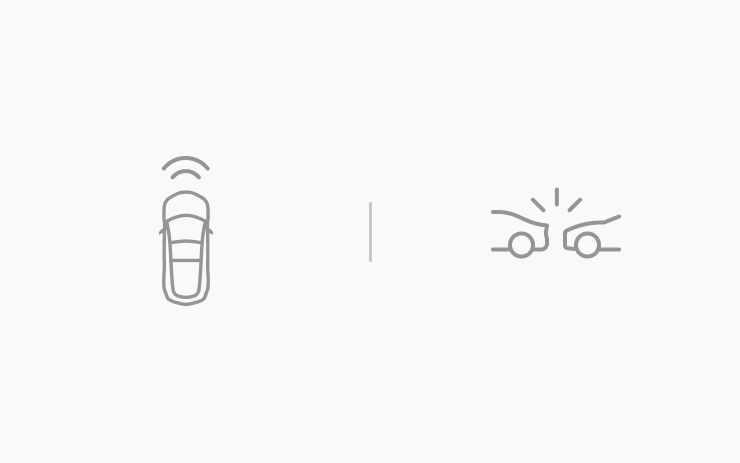
May engage FSD when the system detects driver inattention or an unintended FSD disengagement. Consult the vehicle manual.
FSD (Supervised) v14.3.9
New Feature
for Model S (New), 3, X (New), Y and CT
HW4
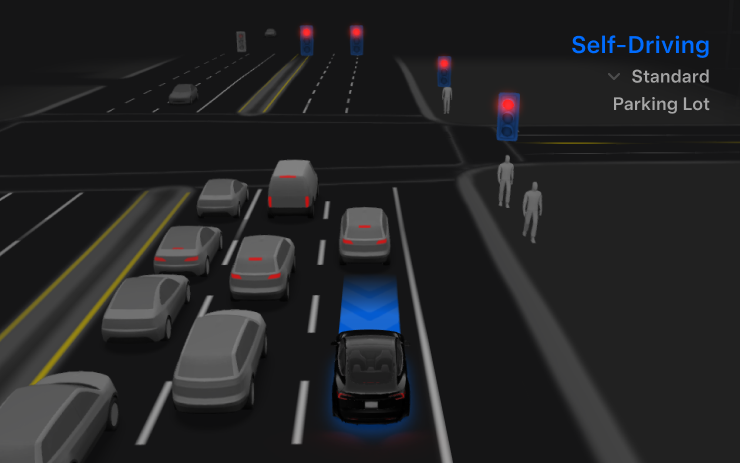
Refines perception, parking, unusual-scenario handling and driver monitoring; tracks intervention-free distance.
Full Self-Driving (Supervised)
New Feature
for Model S (New), 3, X (New), Y and CT
HW4
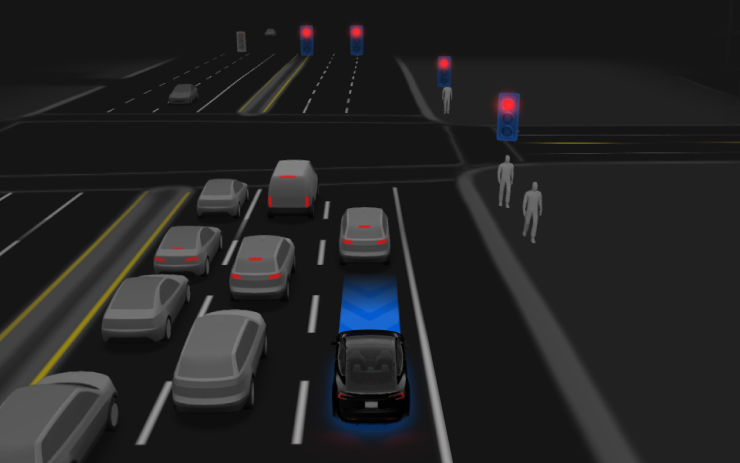
Activate with the screen button or right scroll wheel. The driver must supervise continuously.
FSD (Supervised) v14.2 Lite
New Feature
for Model 3 and Y
HW3
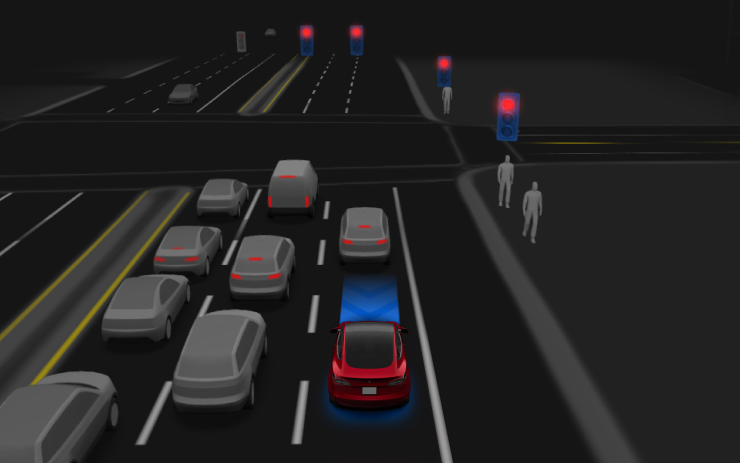
HW4-derived learning improves HW3 driving comfort and responsiveness, adding parking, reversing and destination preferences.
Start Self-Driving from Park
New Feature
for Model 3 and Y
HW3
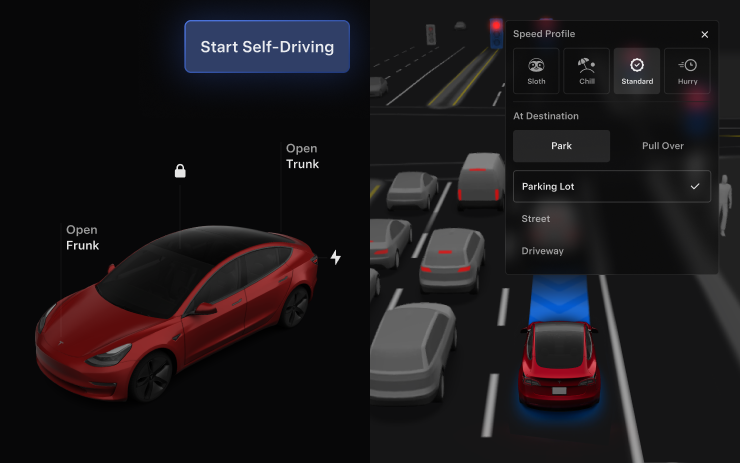
Checks driver presence, seatbelt and cabin camera visibility. Brake confirmation may be required.
Arrival Options
New Feature
for Model 3 and Y
HW3
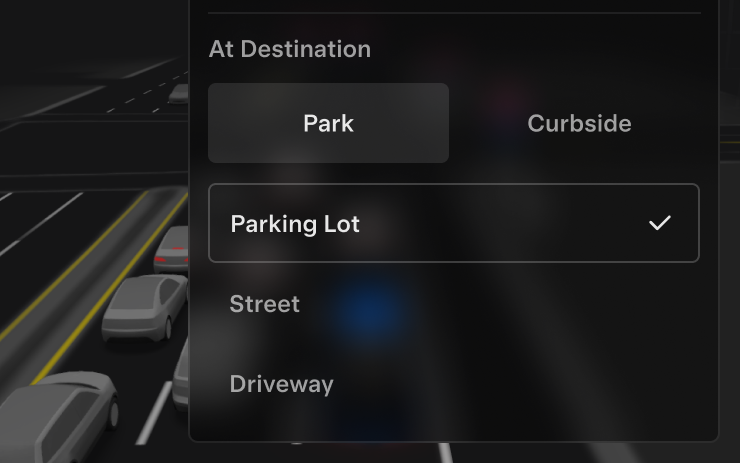
Store destination-specific parking or drop-off preferences.
Speed Profiles
New Feature
for Model 3 and Y
HW3
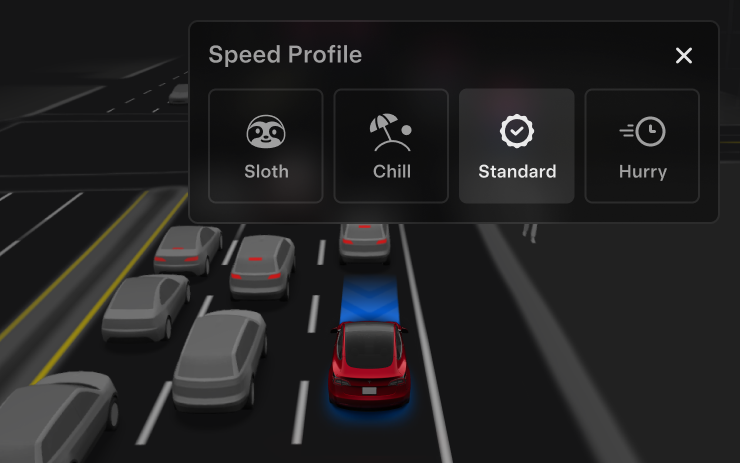
Select the driving profile using the right scroll wheel; SLOTH favors conservative driving.
UI Improvements
New Feature
for Model 3 and Y
HW3
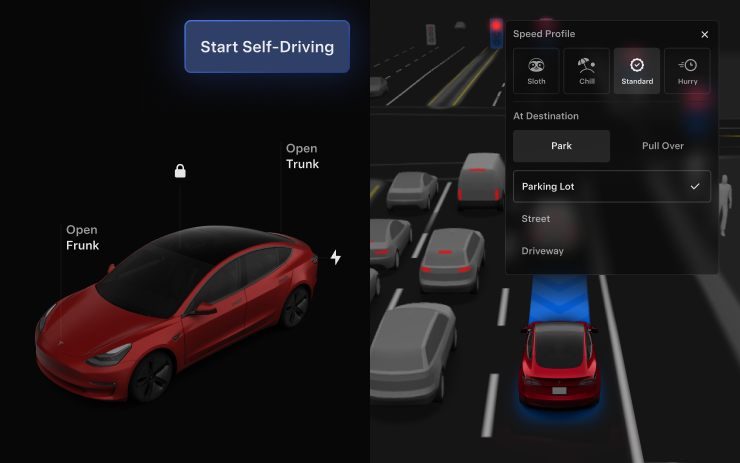
Adjust driving profiles and arrival preferences from the driving visualization.
